

Enhance Your Adventure + Emergency Preparedness
Embarking on outdoor adventures can be exhilarating, but it's essential to prioritize safety and preparedness to make the most of your experience. Whether you're planning a hike, camping trip, or outdoor expedition, being equipped with the right knowledge and gear can make a significant difference in both your enjoyment and safety. Here are some tips to enhance your adventure while also being prepared for emergencies:
1. Plan Ahead
Research your destination, familiarize yourself with the area, and check the weather forecast before you head out. Create a detailed itinerary and share it with someone reliable who can assist in case of an emergency.
2. Pack Essential Gear
Ensure you have the necessary gear for your adventure, including navigation tools, first aid supplies, plenty of water, food, appropriate clothing, and emergency shelter. Don't forget essentials like a multi-tool, flashlight, and matches.
3. Learn Basic First Aid
Knowing how to administer first aid can be invaluable in emergency situations. Consider taking a basic first aid course to learn essential skills like treating wounds, managing fractures, and performing CPR.
4. Stay Hydrated and Nourished
Proper hydration and nutrition are crucial for maintaining energy levels and preventing fatigue. Pack sufficient water and high-energy snacks to keep yourself fueled throughout your adventure.
5. Stay Informed
Stay updated on weather conditions, trail closures, and any potential hazards in the area. Carry a map and compass, and know how to use them to navigate in case you lose GPS signal.
6. Leave No Trace
Respect nature by following Leave No Trace principles. Pack out all trash, stay on designated trails, and minimize your impact on the environment to preserve the beauty of the outdoors for future adventurers.
7. Emergency Communication
Carry a fully charged cell phone, a portable charger, and consider investing in a personal locator beacon (PLB) or satellite messenger for remote areas where cell service is unreliable. These devices can send distress signals and your GPS coordinates in emergencies.
8. Practice Fire Safety
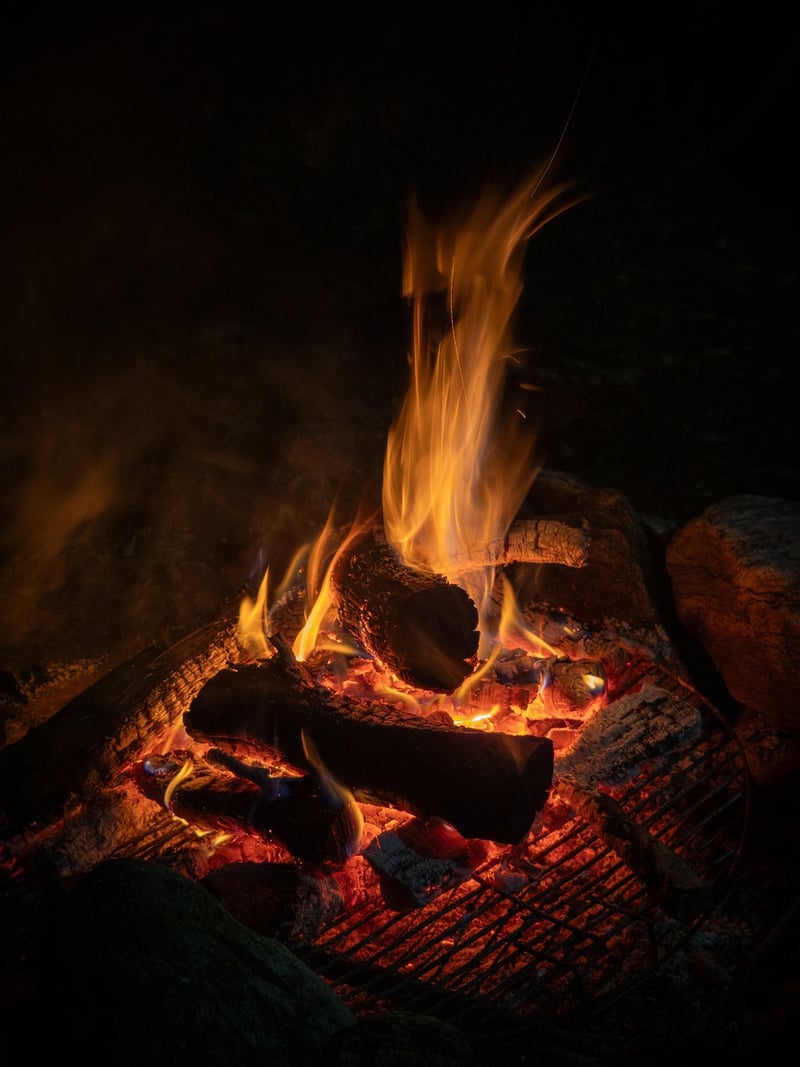
If you plan to have a campfire, ensure it's allowed and follow proper fire safety protocols. Keep a bucket of water and a shovel nearby to fully extinguish the fire before leaving the area.
Conclusion
By combining adventure with emergency preparedness, you can enjoy the great outdoors to the fullest while staying safe and ready for any unforeseen circumstances. Remember, preparation is key to a successful and memorable outdoor experience.

Stay safe, stay prepared, and happy adventuring!